AGP Executive Report
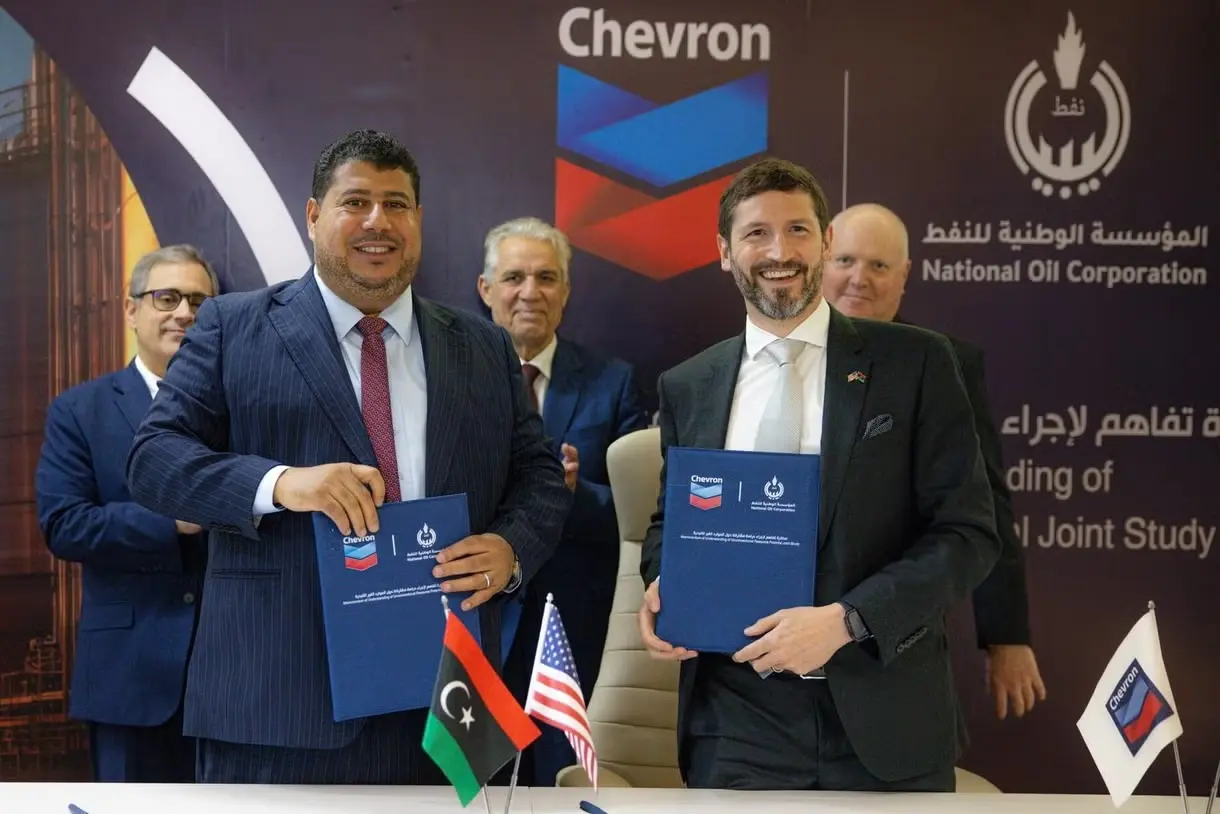
Last update: 4 hours agoLibya Energy Deal: Libya’s National Oil Corporation (NOC) signed a production-sharing agreement with Chevron for a Sirte Basin block after a 2025 tender, aiming to boost exploration, production (from 1.5m to 2m bpd), investment, and bring in Chevron’s technology. Oil & Gas Diplomacy: Libya’s Oil and Gas Minister Abdel Sadig met ConocoPhillips leadership in Norway to discuss next-phase investment, Waha concession development, production increases, and using modern technologies while building national expertise. Education Infrastructure: Tripoli’s ODAC-backed “Schools of the Future” exhibition is set for Nov 8–11 at Tripoli International Fairgrounds, targeting 500 modern schools and showcasing new tech and engineering solutions for school delivery. Fisheries Tech Push: Zliten opened a fish market plus an experimental fish preservation and collection laboratory under the EU REBUILD pilot, including refrigeration, traceability, and supply-chain upgrades to help Libya move beyond hydrocarbons. AI in Classrooms: US Education Secretary Linda McMahon highlighted growing AI use in schools while noting limited learning-outcome data so far, as districts roll out AI literacy and classroom tools. Global Tech/Science Spillover: Research on “bomb fishing” in Indonesia shows explosive fishing is damaging coral reefs, with the method documented across many countries including Libya. Security Tech Watch: Reports say Russia is expanding its footprint across six Libyan airbases, including deliveries of drones and air-defense systems, as Moscow scales logistics and infrastructure.
Note: AI summary from news headlines; neutral sources weighted more to help reduce bias in the result. Feedback is welcome. Please let us know if you have any comments or suggestions about the AGP Executive Report.

 Perspectify News